You Built the Brand Foundation. Now AI Is Testing It.
You’ve done the hard work. You know what you lead with. You’ve defined what growth means for your organization right now. You understand where your value originates and what you refuse to dilute. Your foundation is clear.
Now your team is using AI to create content. And something feels slightly off.
The tone is close but not quite right. The messaging is accurate but somehow generic. A proposal goes out that sounds professional but could have come from any agency. A blog post gets published that says the right things in the wrong voice.
Your brand foundation is intact. But AI is testing it.
AI Is Not a Writing Tool. It Is a Pattern Engine.
AI generates language based on patterns drawn from the broader internet. And the broader internet favors safe language. Neutral phrasing. What sounds credible but familiar.
That is why AI-assisted content so often produces the same words:
AI does not know what your brand leads with. It does not know what you refuse to be. It does not know where your value truly originates. Unless you tell it. And unless you tell it clearly.
The Real Risk Is Not That AI Sounds Robotic
The real risk is that it sounds like everyone else.
How Brand Drift Has Changed
Before AI
Drift appeared gradually. A different tone in a blog post. A softer value statement in a proposal. Slight variation across teams. Manageable, if you were paying attention.
With AI
Drift happens at scale. Every team member generates content. Every department produces messaging. Every campaign introduces subtle shifts in language, tone, and positioning simultaneously.
AI does not create the misalignment. It exposes it. And then it distributes it.
That is why brand management must evolve alongside AI usage. Not to slow content down. To make sure what scales is worth scaling.
Where Strong AI Brand Management Begins
AI should support growth. It should reduce friction. It should make execution more efficient. But it can only do that when it is grounded in a strategic foundation. Before AI writes for you, four elements need to exist.
A Clearly Articulated Brand Foundation
Your brand positioning and messaging must go beyond slogans. What you stand for. What you lead with. Where your authority comes from. What you refuse to dilute. What growth means for your organization right now. Without this clarity, AI defaults to category language. It fills the space with what sounds reasonable. Reasonable is not differentiated. This is not a writing problem. It is a strategic one.
A Structured Voice System
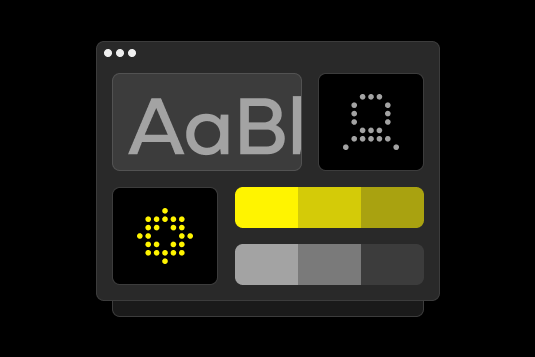
Describing your tone as “bold but approachable” is not enough for AI to work with. It needs operational guidance. Define sentence length expectations, level of formality, vocabulary you prefer and actively avoid, how you explain complex ideas, whether you lead with insight or outcome, how you frame value, and how you close an argument. Clarity in instruction produces clarity in output. Most organizations skip this step and rely on instinct instead of documentation. That instinct does not transfer to AI.
A Master Prompt Framework
If multiple people across your organization are using AI to generate content, there needs to be a standardized instruction set that everyone draws from. It should include your brand philosophy, positioning language, core value framing, audience definition, terminology standards, and examples of approved messaging. Without it, every user improvises. Improvisation introduces drift. A shared system protects consistency at scale.
A Review Lens Focused on Value
AI can generate quickly. It should not publish independently. Before any AI-assisted content goes live, the review needs to go beyond grammar and accuracy.
The Role of Leadership in an AI Environment
AI has shifted what brand leadership actually means. It is no longer about producing every piece of content. It is about defining the system that produces it. Setting direction before execution. Documenting language before scaling it. Ensuring every message reflects the long-term investment your brand represents across website design, email marketing, digital advertising, and content strategy.
When AI is aligned with your brand foundation
- Content creation gets faster without sacrificing clarity
- Teams stay consistent without constant oversight
- Execution becomes easier to measure and refine
- Every output reinforces your position
When AI is not aligned
- Polished, professional-sounding content that says nothing specific
- Subtle drift across teams and channels
- The position you built quietly erodes
- More content, less clarity
The Distinction Worth Making
This is not about generating more content. It is about generating aligned content that strengthens your position over time. Content that sounds like your organization. That reflects your point of view. That earns trust with the audience you are actually trying to reach.
AI rewards clarity. It punishes vagueness at scale.
The organizations that get the most from AI are not the ones producing the most content. They are the ones who did the strategic work first, documented it clearly, and built a system that makes every output a reflection of their foundation. That is the long-term return on brand investment.
How We Approach It
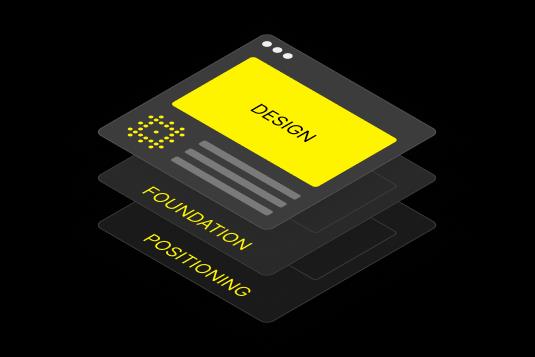
At Getfused, we begin with the non-visual foundation because clarity isn’t a design outcome. It’s a leadership decision.
Before we open a design file or write a headline, we lead the strategic conversations most agencies skip. We work directly with leadership to challenge assumptions, define what growth really means, and uncover misalignments before they derail momentum.
For nearly three decades, we’ve helped complex organizations clarify their position and evolve with confidence. The pattern is consistent: alignment early leads to smarter investment, faster execution, and brands built to last.