Why Strong Brands Don't Rely on Everyone Getting It Right
By the time an organization understands its brand foundation and the risks AI introduces at scale, a natural question follows: what does this actually look like in practice?
Part two of this series covered what happens when AI enters a brand system that isn’t ready for it. This piece picks up where that one ends. You have the foundation. You understand the risk. Now the question is how you protect both as the organization grows.
The answer is not better intentions. It is governance.
Not governance as bureaucracy. Not governance as a compliance exercise. Governance as an active system that protects clarity over time.
Consistency Is Not a Personality Trait
Many organizations assume brand consistency comes from culture. From talented people. From a strong marketing lead who keeps everyone aligned. That works when teams are small and output is limited.
It does not hold when multiple departments are generating content, AI is part of the daily workflow, sales is adapting messaging in real time, website updates are happening continuously, and new hires are contributing from day one.
Where most briefs start vs. where they should
In that environment, consistency cannot depend on everyone remembering the rules. It has to be built into the system. Strong brands do not rely on everyone getting it right. They design processes that make it hard to get it wrong.
What Brand Governance Actually Means
Brand governance is not about policing language or enforcing a style guide. It is about protecting strategic clarity.
At its core, governance answers three ongoing questions. Does this content reinforce our positioning? Does it reflect how we define value? Does it support where we are going next? When the answer to any of those is unclear, the issue is rarely tone. It is direction.
This is the same clarity problem we addressed at the start of this series: the leadership decisions that have to be made before any brand work begins.
Governance ensures that brand positioning and messaging remain stable even as tactics evolve. It protects the return on the strategic investment made at the beginning. And it answers a question that most organizations only ask after something has already gone wrong.
Governance is not what you do when the brand breaks down. It is what prevents it from breaking down in the first place.
Why This Matters More in an AI Environment
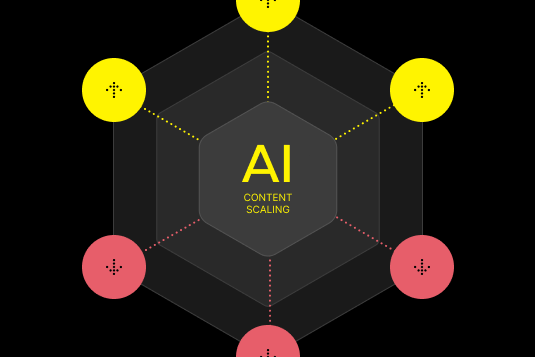
AI increases output. Scaling increases complexity. Growth introduces new audiences. All three amplify the risk of inconsistency simultaneously.
Momentum
- Growth strengthens the brand instead of diluting it
- Brand becomes a connected system, not a collection of campaigns
- AI extends your position rather than fragmenting it
- Every output reinforces where you are going
Noise
- Clarity erodes quietly across teams and channels
- Messaging fragments as volume grows
- Value language softens over time
- Differentiation blurs as content scales
Without governance, the foundation you built gets slowly overwritten by the noise part two warned about. With governance, growth strengthens the brand instead of diluting it.
The Investment Perspective
Brand governance is often treated as overhead. It is not.
This is how strong brands protect what they have built and move from reactive marketing to strategic activation.
- Long-term positioning strength
- Faster content production
- Consistency that scales
- Reduced internal friction
- Greater confidence in execution
- Alignment across every channel
At Getfused, we view brand as a connected system that supports growth across strategy, creative, website design, digital advertising, and activation. Governance is not separate from that system. It is what keeps it intact over time.
Clarity is not self-sustaining. It is maintained intentionally. And the brands that do it well do not rely on everyone getting it right. They design systems that make clarity inevitable.
Where the Work Actually Begins
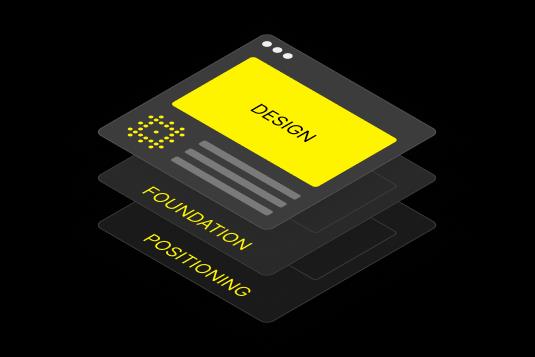
Before visuals. Before messaging systems. Before creative exploration. The work begins with defining what the organization stands for, what it leads with, where value originates, what growth truly means, and what will not be compromised.
This is non-visual work. And it determines whether the visual system becomes powerful or decorative.
When that foundation is clear, creative moves faster, design becomes sharper, and marketing becomes easier to execute and easier to measure. Alignment is the decision. Brand is the system that expresses it. Everything else is execution.
How We Approach It
At Getfused, we begin with the non-visual foundation because clarity isn’t a design outcome. It’s a leadership decision.
Before we open a design file or write a headline, we lead the strategic conversations most agencies skip. We work directly with leadership to challenge assumptions, define what growth really means, and uncover misalignments before they derail momentum.
For nearly three decades, we’ve helped complex organizations clarify their position and evolve with confidence. The pattern is consistent: alignment early leads to smarter investment, faster execution, and brands built to last.